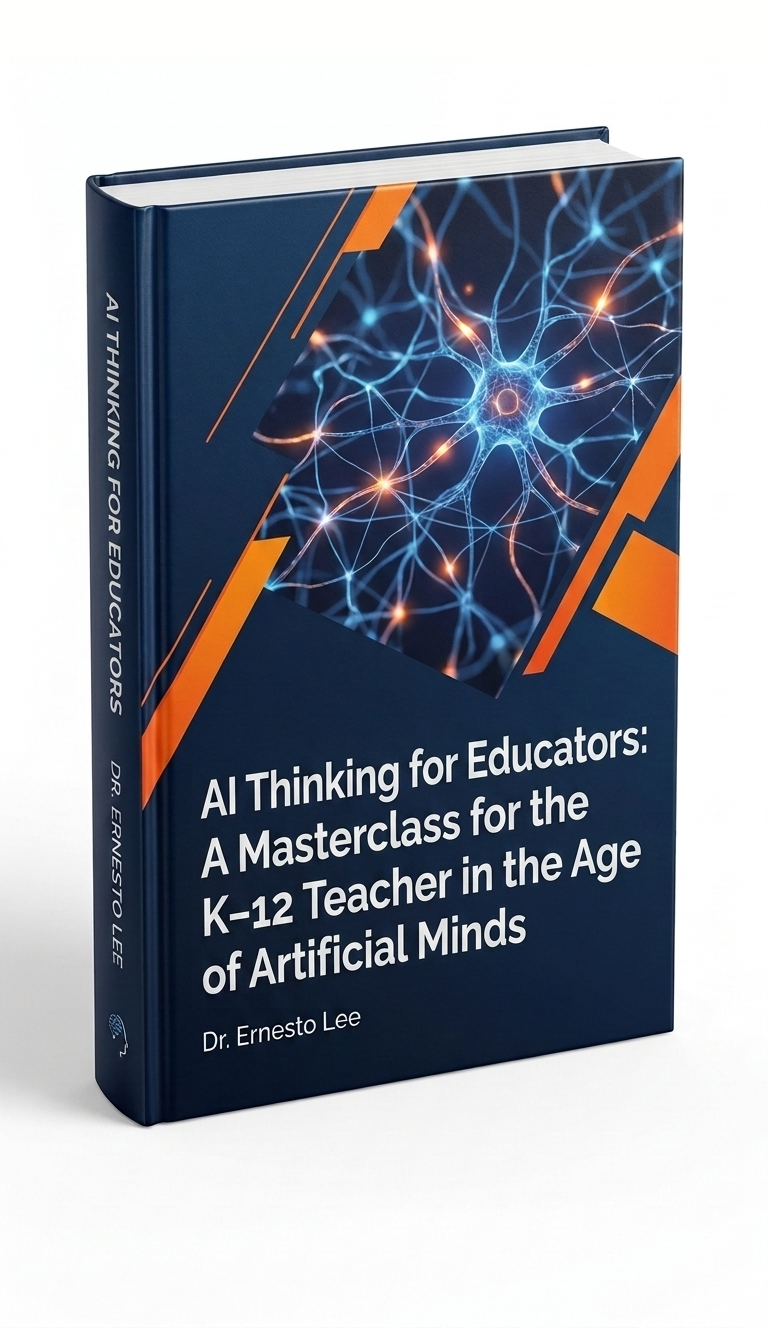
Figure 1:AI Thinking for Educators · Dr. Ernesto Lee
1AI Thinking for Educators
A Masterclass for the K–12 Teacher in the Age of Artificial Minds
By Dr. Ernesto Lee
1.1What This Book Is
AI is not coming to education. It is already here — in the phones your students carry, in the homework they submit, in the lesson plans you didn’t write yet. The question is no longer whether to engage with artificial intelligence. The question is what kind of teacher you will be because of it.
This masterclass is eight chapters, 17 learning theories, and one clear argument: the teachers who thrive in the next decade won’t be the ones who resist AI or the ones who surrender to it. They’ll be the ones who understand it deeply enough to use it wisely — and wisely enough to know when not to use it at all.
Every chapter is grounded in the science of how people learn. You’ll find Vygotsky alongside Gemini, Bloom’s Taxonomy rebuilt for a world where AI can already handle the bottom three tiers, and Piaget’s stages reimagined for a classroom where a kindergartner can hold a conversation with a machine. The theory isn’t decoration. It’s the load-bearing structure that tells you why each tool matters and how to deploy it without accidentally dismantling the very learning you’re trying to create.
1.2What You’ll Walk Away With
A clear mental model of what AI actually is — tokens, probability, context windows — explained without a single line of code.
Hands-on mastery of the three tools that matter most: Gemini, NotebookLM, and AI Studio.
A rebuilt relationship with Bloom’s Taxonomy, Vygotsky’s ZPD, and cognitive load theory — all reframed for the AI age.
Your own library of Gems, agents, and workflows that function like a personal support staff — available 24/7.
A personal AI use policy, a disclosure framework, and the language to lead these conversations with students, parents, and administrators.
A 10-year professional roadmap — and an honest account of what’s coming, what’s overblown, and what will never change.
1.3Course Structure
This book is the primary text for CAI1001C: AI Thinking for Educators. Each chapter earns 30 points:
| Component | Points |
|---|---|
| 📝 Case Study & Discussion Board | 2 pts |
| ✅ 10-Question Knowledge Check | 8 pts |
| 🧪 Hands-On Lab | 10 pts |
| 🎯 In-Class Assignment | 10 pts |
| Chapter Total | 30 pts |
Total course points: 240 (8 chapters × 30 pts)
1.4The 17 Theories Behind the Teaching
This book doesn’t just teach AI tools. It anchors every tool in the science of learning:
Behaviorism · Constructivism (Piaget) · Desirable Difficulties (Bjork) · Productive Failure (Kapur) · Mindset (Dweck) · Cognitivism (Miller; Atkinson & Shiffrin) · Connectivism (Siemens; Downes)
Sociocultural Theory / ZPD (Vygotsky) · Social Cognitive Theory (Bandura) · Cognitive Load Theory (Sweller) · Multimedia Learning (Mayer)
Experiential Learning (Dewey; Kolb) · Andragogy (Knowles) · Self-Determination Theory (Deci & Ryan)
Bloom’s Taxonomy (Anderson & Krathwohl) · Metacognition (Flavell) · Fink’s Taxonomy · Transformative Learning (Mezirow)
1.5Available Chapters
The disruption is here. From Bloom’s 2 Sigma Problem to the prefrontal cortex, from Skinner’s slot machine to Dweck’s growth mindset — five foundational theories reframed for the AI era. Includes hands-on lab: Draft Your Classroom AI Use Policy.
What AI actually is — tokens, context windows, and probability — without the math. Grounded in Miller’s 7±2 and Connectivism. Includes hands-on lab: Build Your Personal Teacher Prompt Library.
Stop using AI like a search engine and start using it like a colleague. Build your first six Gems — from the Patient Tutor to the Differentiation Engine. Anchored in Vygotsky’s ZPD and Bandura’s self-efficacy theory.
Upload your sources once — get cited answers, study guides, audio overviews, and a searchable year of curriculum. Grounded in Cognitive Load Theory (Sweller) and Mayer’s Multimedia Learning principles.
Gemini is the front door. AI Studio is the laboratory. This chapter takes you inside — model selection, temperature, 1-million-token context windows, multimodal inputs (images, audio, video, documents), system instructions, and stream-of-thought reasoning. Anchored in Kolb’s Experiential Learning cycle (Dewey, 1938; Kolb, 1984) — compressed from a week to five minutes.
Stop using AI as a tool and start hiring it as a teammate. Build your Grading Assistant, IEP Drafter, Parent-Update Writer, Curriculum Mapper, and Sub-Plan Generator using Google Antigravity. Grounded in Andragogy (Knowles) and Self-Determination Theory (Deci & Ryan).
Bloom’s Taxonomy rebuilt for the AI age. Backwards design with AI as co-pilot. Authentic assessment when AI writes the essay. Metacognition as the central skill. The irreducible human zone of Fink’s taxonomy. Your pedagogical compass for the AI era.
The future isn’t something that happens to you. It’s something you teach into being. Mezirow’s Transformative Learning reframed for the AI era, a clear-eyed look at the next decade’s real opportunities and real threats, new teacher roles that don’t have names yet, and a personal 10-year professional development roadmap. Ends with a letter to the teacher of 2035.